


Last Stronghold: Idle Survival
4.43.06K Reviews
App Specs
- Version
- 1.10.2
- Updated On
- License
- Free
- Downloads
- 10,000,000+
- Developer
- SayGames Ltd
- Categories
- Role Playing
- Platform
- Android, iOS
Screenshots
 Analysis by AppCompare
Ever stumbled upon a game that hooks you from the get-go and refuses to let go? That's exactly what happened when I tried out Last Stronghold: Idle Survival. It's a game that combines the thrill of survival with the strategic elements of an idle game, and trust me, it's as addictive as it sounds.
A shelter that sets the mood
My first impression is shaped by the contrast between a threatened world and the practical work of keeping a shelter going. The post-apocalyptic setting gives ordinary choices—where to put attention, what to improve, and when to prepare for danger—a reason to matter. The strongest part of the premise is that survival is not only a fight against zombies; it also means building a place that can support the people drawn to it.
That setup makes the game a natural fit for players who like to see a base take shape over time. If I have a few minutes between other tasks, I can check on progress and decide what deserves attention next rather than needing to settle in for a long, uninterrupted session. The idle structure is useful for that kind of stop-and-start routine, though it does not remove the need to make choices when I return.
Survive the Apocalypse
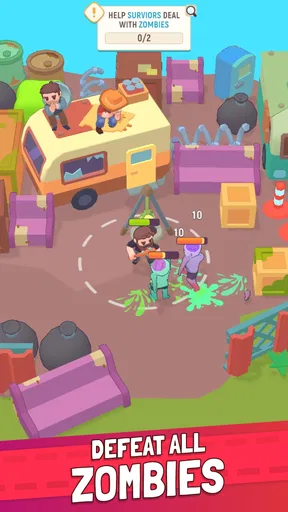
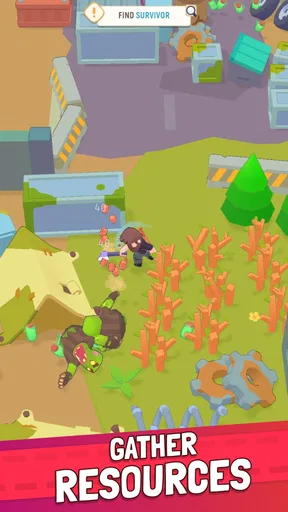
Right from the start, Last Stronghold: Idle Survival throws you into a post-apocalyptic world where survival is the name of the game. It's not just about staying alive; it's about thriving amidst the chaos. You're tasked with building and upgrading your stronghold, gathering resources, and defending against hordes of the undead. Sounds intense, right? It is, but in the best way possible.
The game brilliantly balances the need for strategic planning with casual gameplay. Whether you’re a hardcore gamer or someone looking for a quick gaming fix, this app caters to all. The idle mechanics allow you to step away and still make progress—perfect for those who can’t dedicate hours at a time.
How the setting supports the routine
The world works best when I treat it as a cycle rather than a series of isolated battles: resources keep the settlement moving, improvements prepare it for pressure, and defense gives those preparations a clear purpose. That loop is more appealing to me than a survival game built around constant emergency. It lets the mood stay tense without making every visit feel like a crisis.
The visual direction helps make that loop legible. A stronghold is a concrete focal point in a bleak setting, so progress feels tied to a place instead of an abstract number. The overall look also suits short visits: I can quickly orient myself around the base and the threat it faces. Players who want an elaborate story or a highly realistic simulation may find that this atmosphere is more about a readable survival premise than deep narrative world-building.
Worth Reading Before You Choose

Flipboard Shows What News Apps Must Do Beyond the Feed

Switching to Android Auto Means Rethinking Your Driving Routine

Google Calendar Makes a Crowded Week Easier to Manage

Ludo King Makes the Most of the Minutes Between Plans

Baby Panda World Brings Quick Play to Modern Phones, but Its Game Library Feels Busy

ESPN’s Live Game View Makes Following Close Games Easier
Building and Upgrading
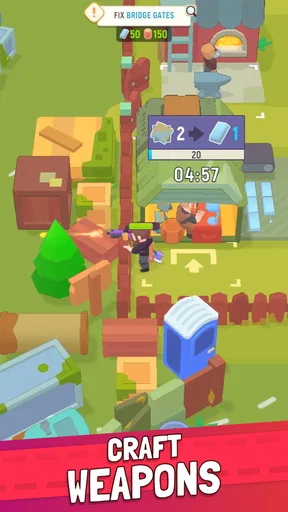
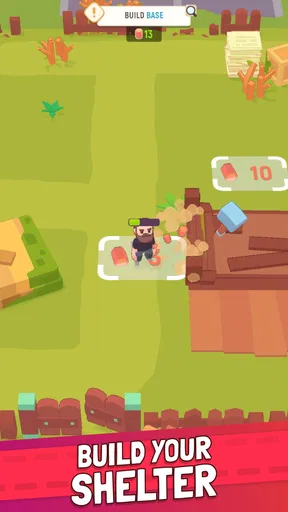
Building your stronghold is an essential part of surviving in this hostile world. You start with a basic setup and gradually expand by upgrading your defenses, crafting weapons, and training survivors. The interface is intuitive, making it easy to navigate through various menus and options without getting overwhelmed.
The game encourages experimentation with different strategies to find what works best for you. Should you focus on fortifying your defenses or expanding your resource collection? The choice is yours, and it’s these decisions that keep the gameplay fresh and engaging.
For a more deliberate routine, I would make a quick priority check whenever I open the game: identify whether the next useful step is improving the stronghold, supporting its resource flow, or preparing for defense. That avoids spending attention on upgrades simply because they are available. It is a small but useful distinction in an idle game, where the easiest action is not always the one that best supports the next challenge.
There is also a trade-off in how this style of progression feels. The steady base-building can be satisfying when I want gradual development, but someone looking for hands-on survival every minute may find the idle side too gentle. Conversely, a player who only wants a completely passive experience should expect to make occasional decisions about what to develop and how to use resources.
Sound, pacing, and the pressure to prepare
The sound design supports the uneasy setting rather than turning every moment into a spectacle. The quieter atmosphere gives the zombie threat room to register, while the hostile sounds make defense feel connected to the world around the stronghold. I like that the mood comes from the combination of setting, visuals, and sound, not just from combat itself.
The pacing is also part of the appeal. Idle progress makes it possible to leave and return, while the defensive side supplies a reason to pay attention when the settlement is under pressure. In an everyday scenario, I might check in during a short break, make one or two sensible improvements, and leave the next session for a more focused look at what needs defending. That is a better fit than expecting the game to occupy a whole evening every time I open it.
One practical tip is to avoid treating every new upgrade as an automatic priority. I get more out of the strategic side when I first consider whether my current bottleneck is resources or protection, then commit to the choice that addresses it. This keeps the base-building connected to survival instead of making it feel like a detached checklist.
Defending Against the Undead
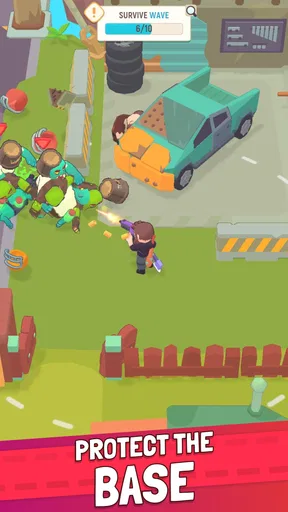
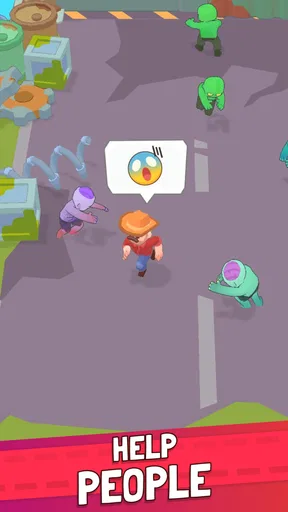
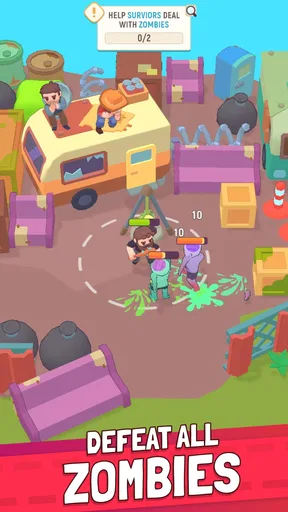
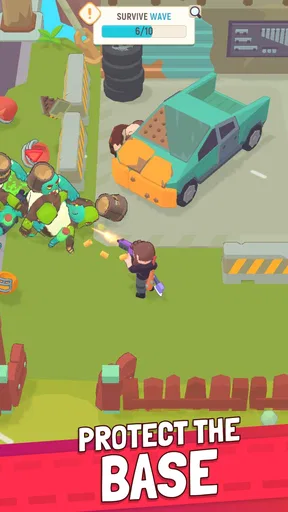
What's a survival game without some nail-biting action? As you progress, waves of zombies become increasingly challenging. The thrill of defending your stronghold from these relentless enemies is both exhilarating and nerve-wracking. The dynamic difficulty ensures that you're always on your toes, strategizing and adapting to new threats.
The combat system is simple yet effective, keeping you engaged without being overly complex. It’s all about timing and resource management, which adds another layer of depth to the gameplay.
This makes the game easier to approach than a more demanding role-playing game that expects constant tactical input or lengthy battles. The trade-off is that players who want fine-grained control over every encounter may find the combat too straightforward. I see the defense as a pressure test for the settlement decisions, not as a replacement for a full, tactical combat system.
It is also a reason to think ahead rather than spend resources without a plan. When an improvement can serve either long-term growth or immediate resilience, I would base that choice on how prepared the stronghold feels, rather than on the assumption that expansion is always better. That habit makes the defensive moments feel more earned and reduces the chance of building up one side of the settlement while neglecting the other.
Who will enjoy this kind of survival game
I would recommend it to someone who enjoys watching a base grow, likes a light layer of planning, and wants the option to make progress in brief visits. It is especially suited to players who enjoy the familiar zombie-survival mood but do not need every session to be an intense action challenge. The mix of resource decisions and defense gives a casual routine a clear theme.
I would point a player elsewhere if they mainly want a deep role-playing story, complex character systems, or direct control over every fight. Those expectations sit closer to more traditional RPGs than to this idle survival approach. It may also be a poor match if waiting between active decisions frustrates you, or if you prefer games where every minute is spent exploring or battling.
The game is free to start, with in-app purchases ranging from $0.99 to $99.99 per item. I would treat optional spending carefully and first see whether the normal pace and progression suit me; a purchase is not a substitute for enjoying the underlying loop. It is rated Everyone 10+, which makes it a more approachable option for players looking for a zombie setting without choosing a game aimed at adults, while parents should still decide whether the theme is right for their household.
Graphics and Sound
Visually, the game is a treat. The graphics are detailed and vibrant, capturing the essence of a world teetering on the brink of collapse. The sound design complements the visuals perfectly, immersing you further into the game's atmosphere. Whether it's the eerie silence of the night or the chilling groans of the undead, every sound enhances the overall experience.
One aspect I particularly enjoyed is the attention to detail in the animations and environments. It's clear that a lot of effort went into making this game visually appealing and immersive.
The presentation is most effective when I let it set the tone for the practical choices rather than expecting it to carry the game alone. The bleak surroundings make the stronghold feel worth protecting, and the audio reinforces that sense of unease. If I am in the mood for a richly layered soundtrack or a cinematic story, this is not the experience I would choose; its appeal is the way atmosphere frames the ongoing task of keeping a settlement viable.
Where it sits among role-playing games
As a role-playing game from SayGames Ltd, it leans toward settlement management and repeatable survival decisions rather than a conventional journey centered on dialogue and character development. That difference matters when choosing between it and other games in the category. I would pick this one for a persistent base and bite-sized planning; I would choose a story-led RPG for a campaign driven by narrative, or an action-focused zombie game if I wanted near-constant direct combat.
It has found a substantial audience, with more than 5 million installs and an average rating of 4.4 from around 115,000 ratings. Those figures suggest that the blend has broad appeal, but they do not tell me whether its particular pace will suit you. I would use the first few sessions to judge whether returning to improve a stronghold feels satisfying or merely repetitive. The game was released on April 5, 2024, and its current version is 1.6.4; it requires Android 8.0 or later.
A measured recommendation
For me, the central question is not whether every moment is thrilling; it is whether the cycle of checking resources, shaping the base, and preparing for danger feels rewarding enough to revisit. When I want a low-pressure game with a clear survival identity, that cycle works. When I want the precision and constant involvement of a tactical combat game, it is the wrong mood and the wrong format.
In conclusion, Last Stronghold: Idle Survival is a fantastic blend of strategy and survival that will keep you coming back for more. It's perfect for both quick sessions and longer playthroughs, offering a satisfying experience either way. If you're a fan of idle games with a touch of action and adventure, this might just be your next favorite app. Give it a shot—you won't be disappointed!
Pros
- Engaging idle mechanics enhance gameplay.
- Beautifully crafted graphics and animations.
- Strategic depth with resource management.
- Offline progress keeps you advancing.
- Regular updates with new content.
Cons
- Energy system limits extended play.
- In-app purchases can be costly.
- Requires a stable internet connection.
- Some features locked behind paywalls.
- Ads can interrupt gameplay experience.
FAQs for Last Stronghold: Idle Survival
What is the main objective of Last Stronghold: Idle Survival?
Last Stronghold: Idle Survival is a strategic idle game where players must defend their base against waves of enemies. The primary goal is to build, upgrade, and strategically place defenses to fend off attackers. Additionally, players gather resources, recruit heroes, and unlock new abilities to strengthen their defenses over time.
How does the resource management work in the game?
Resource management is a key aspect of Last Stronghold: Idle Survival. Players collect resources over time, which can be used to upgrade defenses, recruit heroes, and improve abilities. Efficient resource management is crucial for advancing through levels, as it allows players to strengthen their base and prepare for increasingly challenging enemy waves.
Can I play Last Stronghold: Idle Survival offline?
Yes, Last Stronghold: Idle Survival offers offline play, allowing players to enjoy the game without an internet connection. However, certain features, such as leaderboards and in-game purchases, may require an online connection. It's an ideal game for those who want to play on the go without relying on connectivity.
Are there in-app purchases, and how do they affect gameplay?
Last Stronghold: Idle Survival includes optional in-app purchases that can enhance gameplay by providing additional resources, heroes, and upgrades. While these purchases can expedite progress, they are not necessary to enjoy the full experience of the game. Free-to-play players can still progress through strategic play and resource management.
What kind of updates and support does the game receive?
The developers of Last Stronghold: Idle Survival regularly release updates that include new content, such as heroes, levels, and challenges. They also focus on fixing bugs and improving game stability. Players can expect consistent support and enhancements, ensuring a dynamic and engaging gameplay experience over time.


